Stories, submissions & corrections
Tell us whose work deserves attention, share relevant source material, or flag a correction. Please include the person or article name and a way to contact you.
editorial@dimpublishing.com ↗
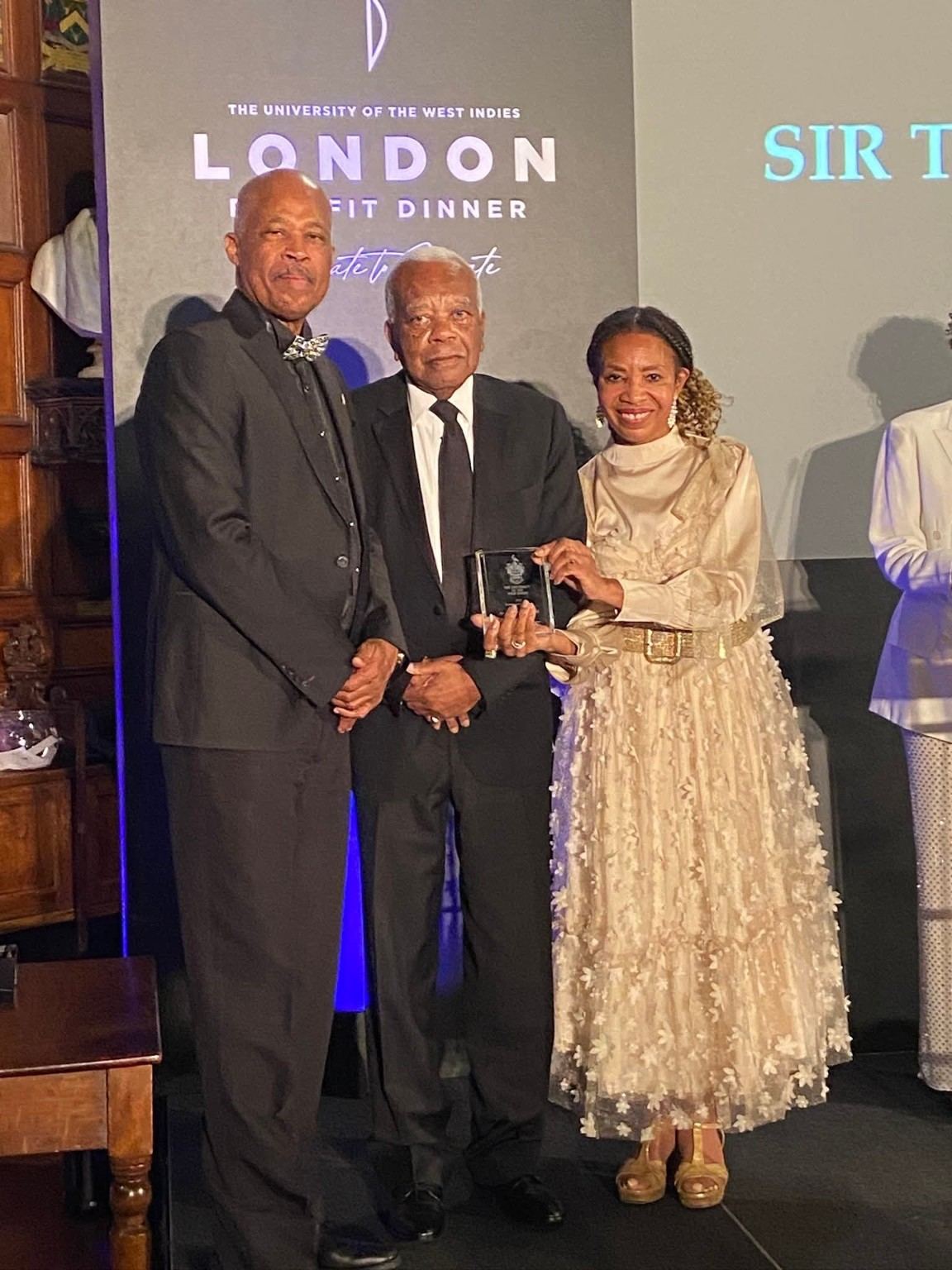
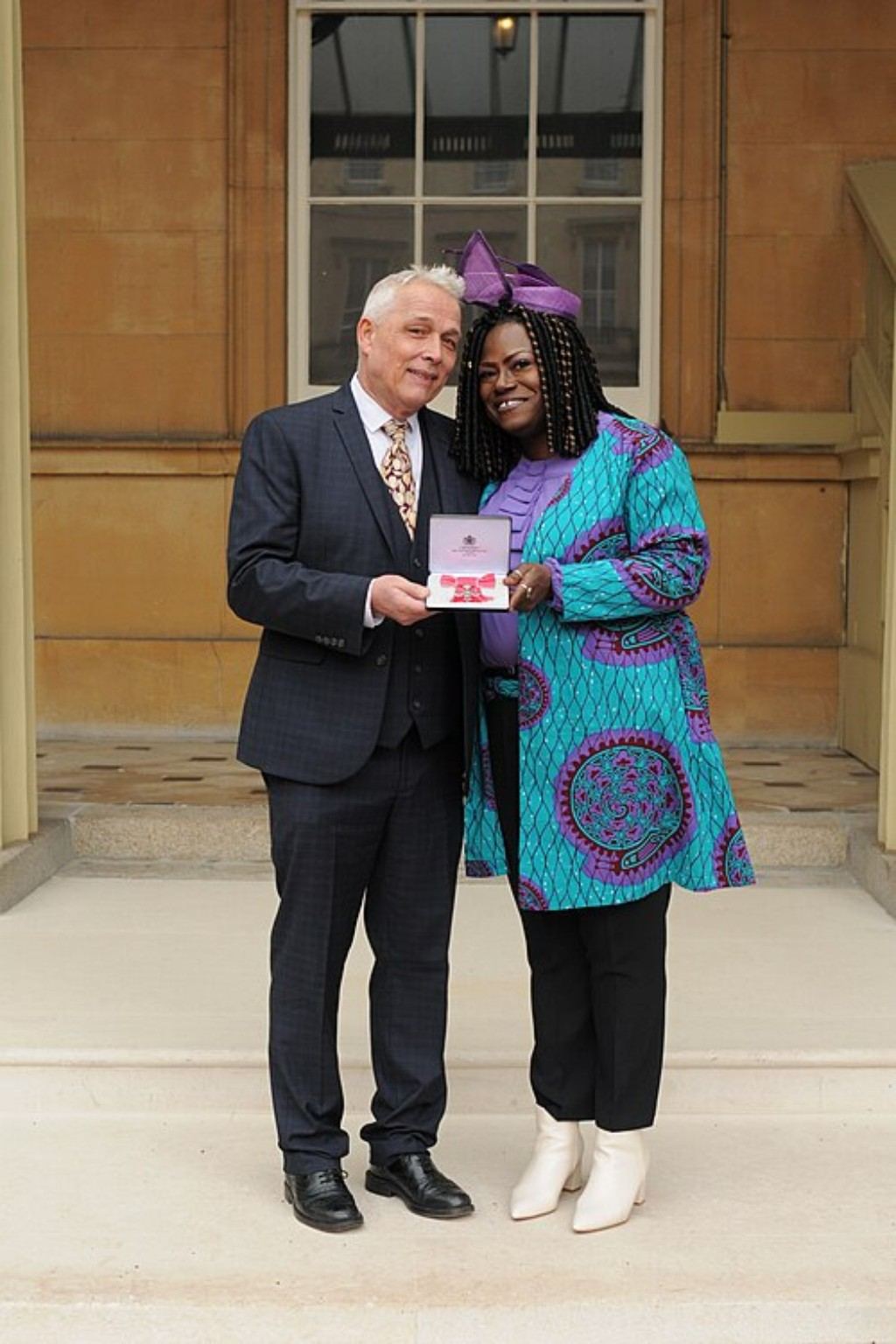

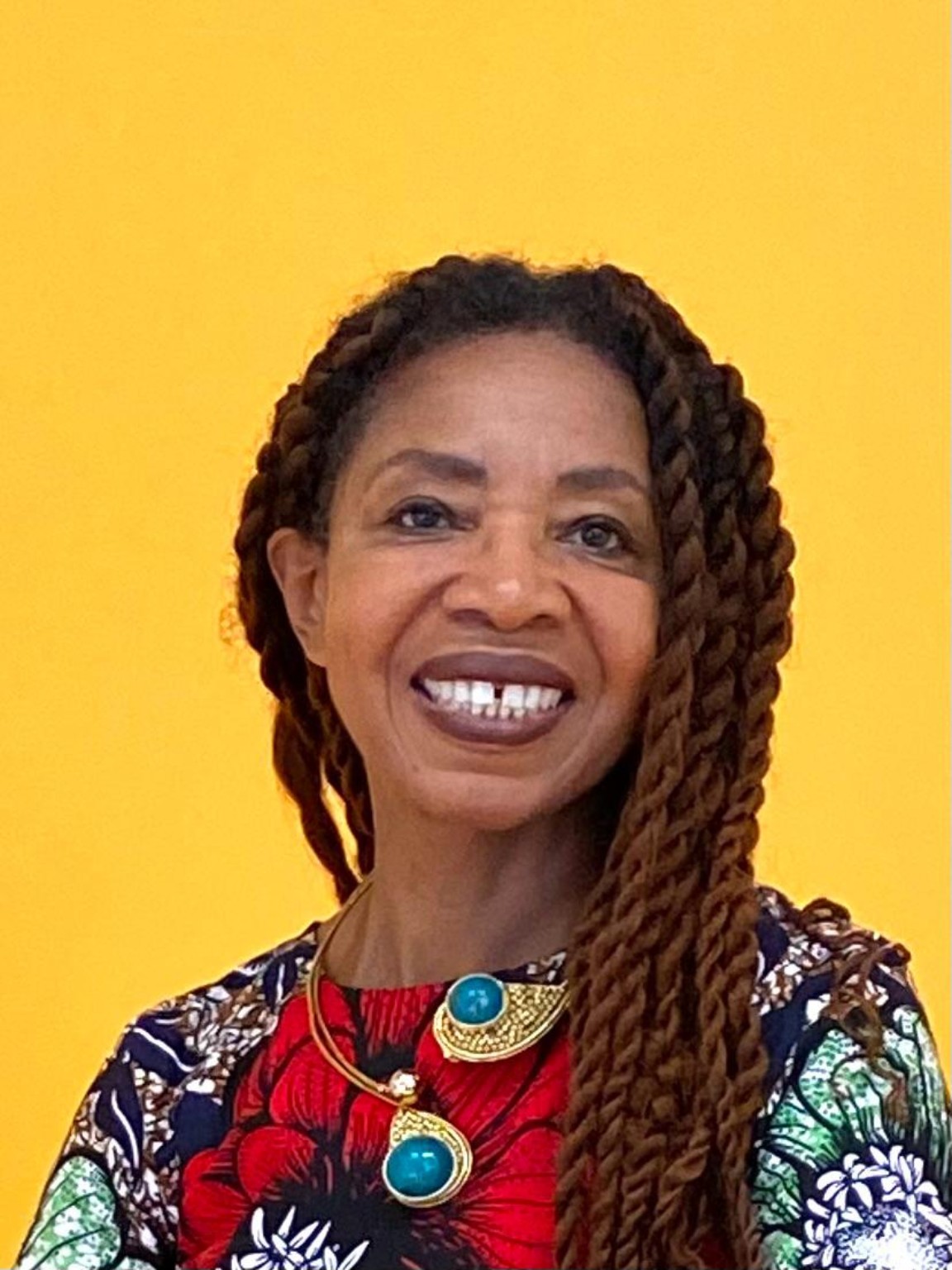
Shirley J. Thompson · Dreda Say Mitchell · Kenrick Sandy
Black excellence has always been here. Its stories deserve to be told in full.
BETA is the Black Excellence and Talent Archive. Our mission is to document, preserve and celebrate Black achievement with accuracy, depth and dignity—and to make those stories easy for everyone to discover. We want people to see the breadth of what Black talent has contributed, understand the conditions in which it flourished, and recognise the people continuing that work today.
This work is necessary because too many achievements have been overlooked, misrepresented or reduced to a name and a date. A fuller record changes what we know about our history and what future generations can imagine for themselves. We give our subjects the room their stories warrant. Contributors’ own accounts sit alongside photographs, film, sound and carefully researched history. We follow the work, the obstacles, the choices and the legacy.
In this issue, Professor Shirley J. Thompson OBE, Dreda Say Mitchell MBE and Kenrick H2O Sandy MBE lead us through music, literature and movement. We also revisit the courage of Elma François, the practical genius of George Washington Carver, and the people building new possibilities today. Each feature has its own space; follow the links that interest you, then return and discover another.
The Archive is the permanent home for hundreds of profiles. BETA Magazine takes time to tell selected stories in depth and connect them across generations and disciplines. BETA Inspires brings those stories to life through short films. Together, they are an invitation to learn, share and keep the record growing. We hope you leave with a fuller understanding of someone you thought you knew—and an introduction to someone you should know.
Six major profiles, three editorial chapters, three selected commercials and one challenge. Read from start to finish or choose the story that draws you in. Every feature has the depth to reward your time.
From a richly musical East London childhood to orchestral works, opera and the Coronation: an artist on making space for her work and widening history’s frame.
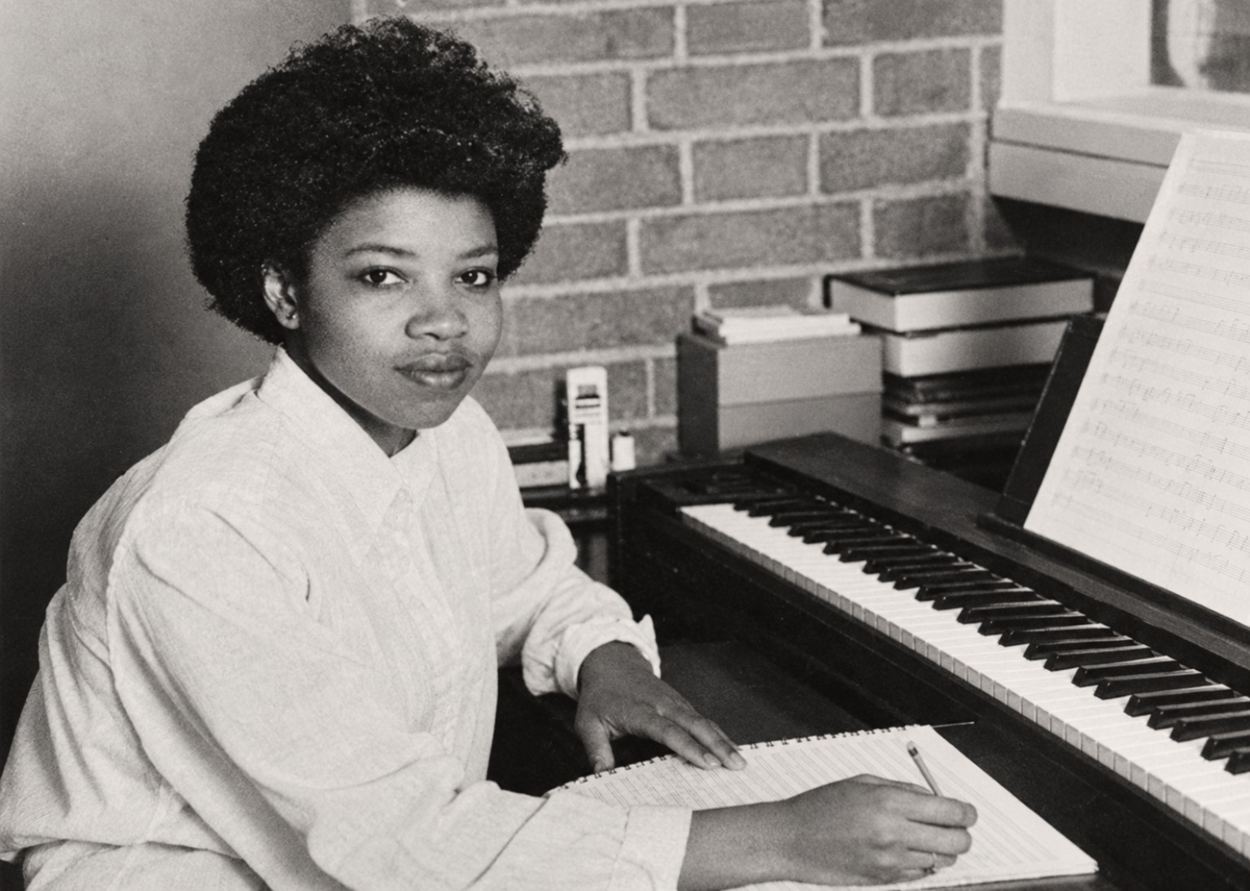
From childhood, our parents introduced us to a wide range of cultural and academic ventures, as well as a range of musics. We went to St Mary's Anglican Church in Stratford on a Sunday — hymn singing. Ballet and tap on Saturday mornings — show songs. Brownies on Wednesdays, with camping songs around a log fire. At school, folk music, classical music. I had a very busy and deeply cultural childhood.
I gained the opportunity at primary school to begin violin lessons, while I really wanted piano lessons — I thought it best to learn violin until I found the opportunity to obtain piano. My parents always ensured we had a piano in our family home. By aged 17 I was lead violin in a leading east London chamber orchestra, a string orchestra and the region's youth symphony orchestra.
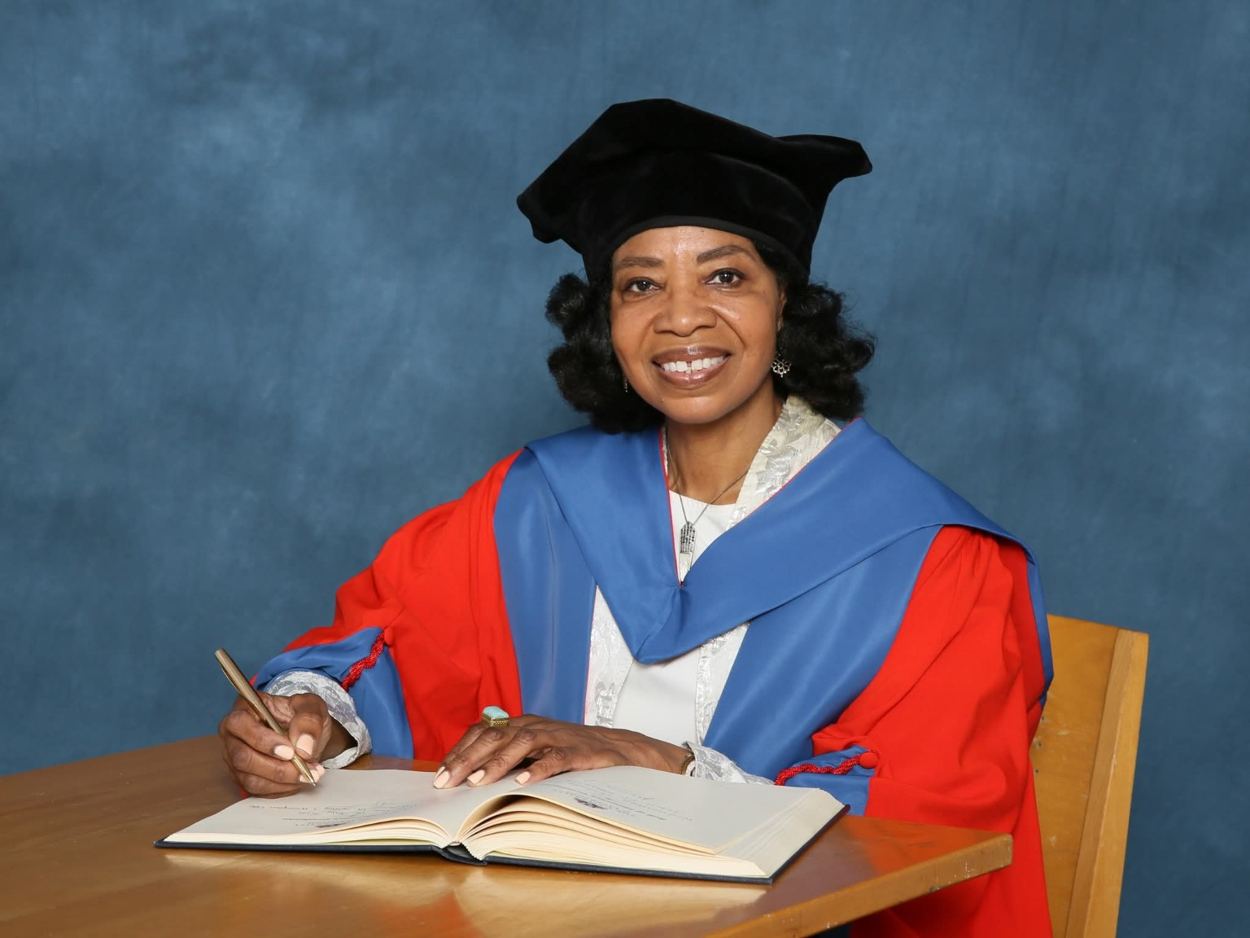
For some reason, I was not given access to study at the Royal Academy, the Royal College or the Guildhall after auditioning at some expense. Thankfully, as a high-performing academic at the local grammar school, I gained a place at a good redbrick university to study musicology and modern history. It was my love of creative music writing as a weekend hobby that led to me studying composition at Masters level and then as a Doctor of Philosophy. This grounding lay as the foundations of my journey as a conceptual artist.
When I composed and then conducted the music for HM Queen Elizabeth II's Golden Jubilee in 2002, I knew this was an incredible occasion — my dear Mother flew in from Jamaica following an invitation to attend, where I met The Queen, Prince Philip and other members of the royal family. However, I had no idea I was the first woman in 40 years to have composed and conducted a symphony. It was Classic FM Magazine that published this fact, and I was told about it in a casual conversation at church by someone who had seen the article.
I have always been passionate about creating work of quality that uplifts persons. Being 'the first' in my many fields of endeavour has been in addition to my original intention.
There is no path to being a creative artist in the classical music field — you have to carve out your own niche. With no reference point, I did not know this, but intuitively realised that if I did not set up my own productions, my music would never be heard. It was by setting up my own orchestra to perform my music that I began to build an audience and make my name.
I had witnessed my parents navigate uber-challenging situations at work and was encouraged by their courage and ingenuity. I've always felt a responsibility to my African ancestors that were robbed of their lives — and even if they survived that savage wrench from their African homeland, they were robbed of any opportunities in their new environments. I learned that if I kept going I might get somewhere, but if I didn't there was no chance at all of succeeding.
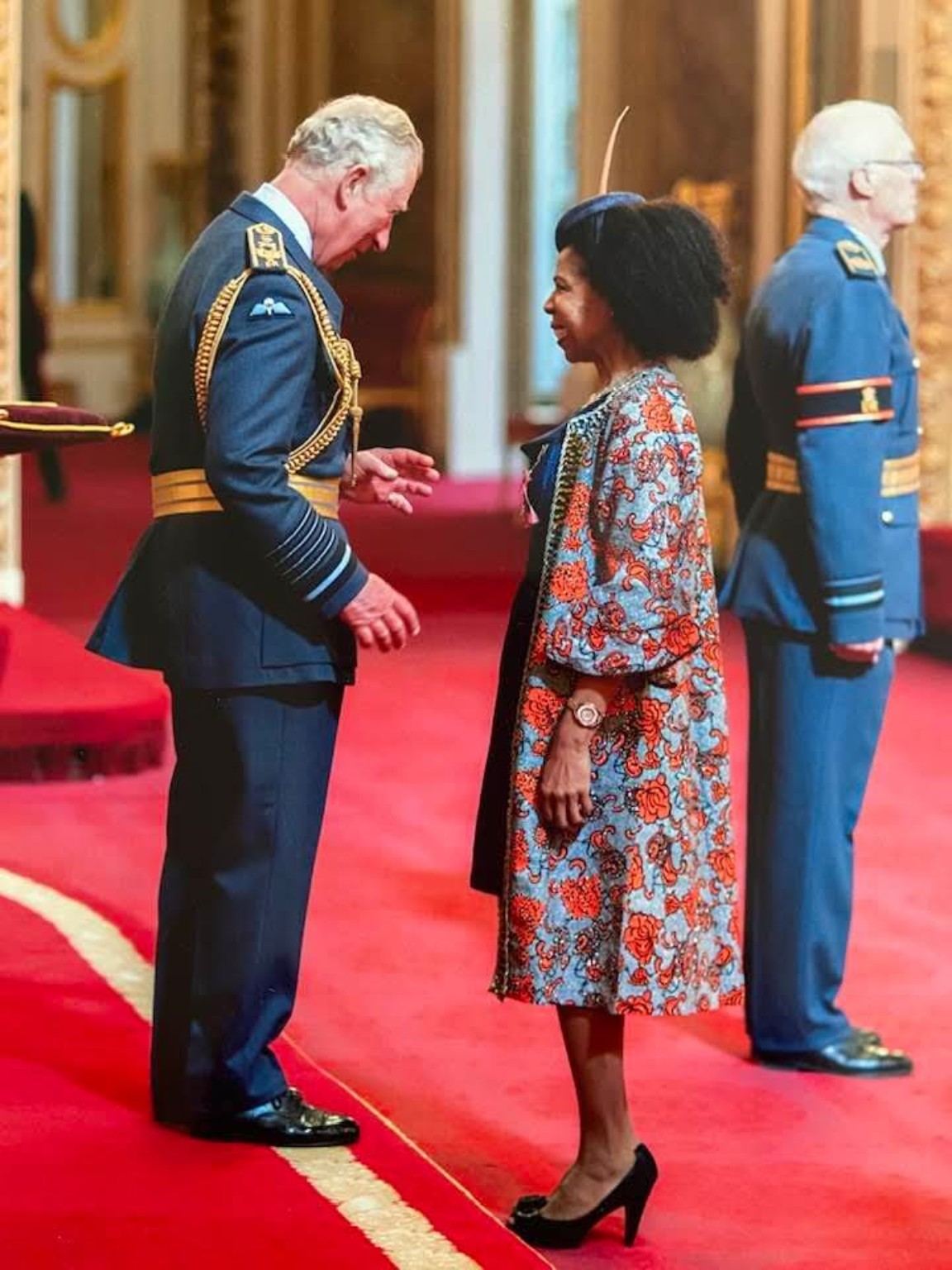
I was thrilled beyond measure to be personally invited by HM King Charles to compose music for the Coronation. I appreciated that I was possibly the first woman, and of African heritage, to compose music for a Coronation in its 900-year history.
I was over the moon to receive handwritten letters from King Charles, thanking me for my innovative orchestral contribution to the 6 May 2023 Coronation, and even commenting on the compositional techniques I had employed. My music for the Coronation is on King Charles' own Birthday playlist on Spotify.
I was incredulous to find out, by coincidence, that Year 6 at Chesnuts School in north London has an entire class named after me — The Thompson Class — alongside historical greats such as Albert Einstein and Isaac Newton. I had the privilege of being invited to the school, who had prepared a performance of my orchestral piece, New Nation Rising: A 21st Century Symphony, dramatised as factory workers demanding their rights through strike action. It was hugely gratifying to see the impact of my work on these school children. They are my audience for the present and future, so this means a great deal to me.
I have always felt it is my mission to use my university education to highlight the original and equal contribution of persons of African heritage to world histories in science, architecture, medicine, technology, the arts. In the 1970s/80s, I created a children's magazine called Azinga, featuring ancient African icons such as the Warrior Queens. I created a timeline of African composers from 1142 to 1940 for BBC Radio 3, which led to my pitch to feature Florence B. Price in the classical canon — since 2015, she is featured in every classical concert around the world.
I am most proud of my large-scale operatic stage works, which have changed the entire culture of opera by featuring subjects of African heritage and changing the role of women characters from femme fatales who always die tragically, to assertive and triumphant heroines. These include Incidents in the Life of Queen Nanny of the Maroons, Dido Elizabeth Belle, Mandela Tales, the Heroines of Opera series, and Seventh Sense: Incidents in the Life of Queen Amanirenas — often compared to the film The Woman King. My creative concept for the Opening Ceremony of the 2012 Olympics was seen by billions and made historical narratives popular.
Mandela Tales is a vibrant, family-oriented musical and theatrical stage production composed and directed by Professor Shirley J. Thompson OBE.
I want all young boys and girls, but first of all their parents, to understand that they can do anything that their minds and imagination tells them they can do. My Mother always says, 'start what you wish to do, and you will be guided as to how to continue and complete the mission.' I thankfully see many confident boys and girls from Newham, and I hope they will learn the value of responsibility to their families and communities. Communities form the foundations to our lives, and it's critical to keep them strong and unified.
One of the greatest lessons I've learned is that one door may not open for you, but another door will crack open. This is hugely empowering knowledge, and it's a great act of faith that I learned from my Mother and Father.
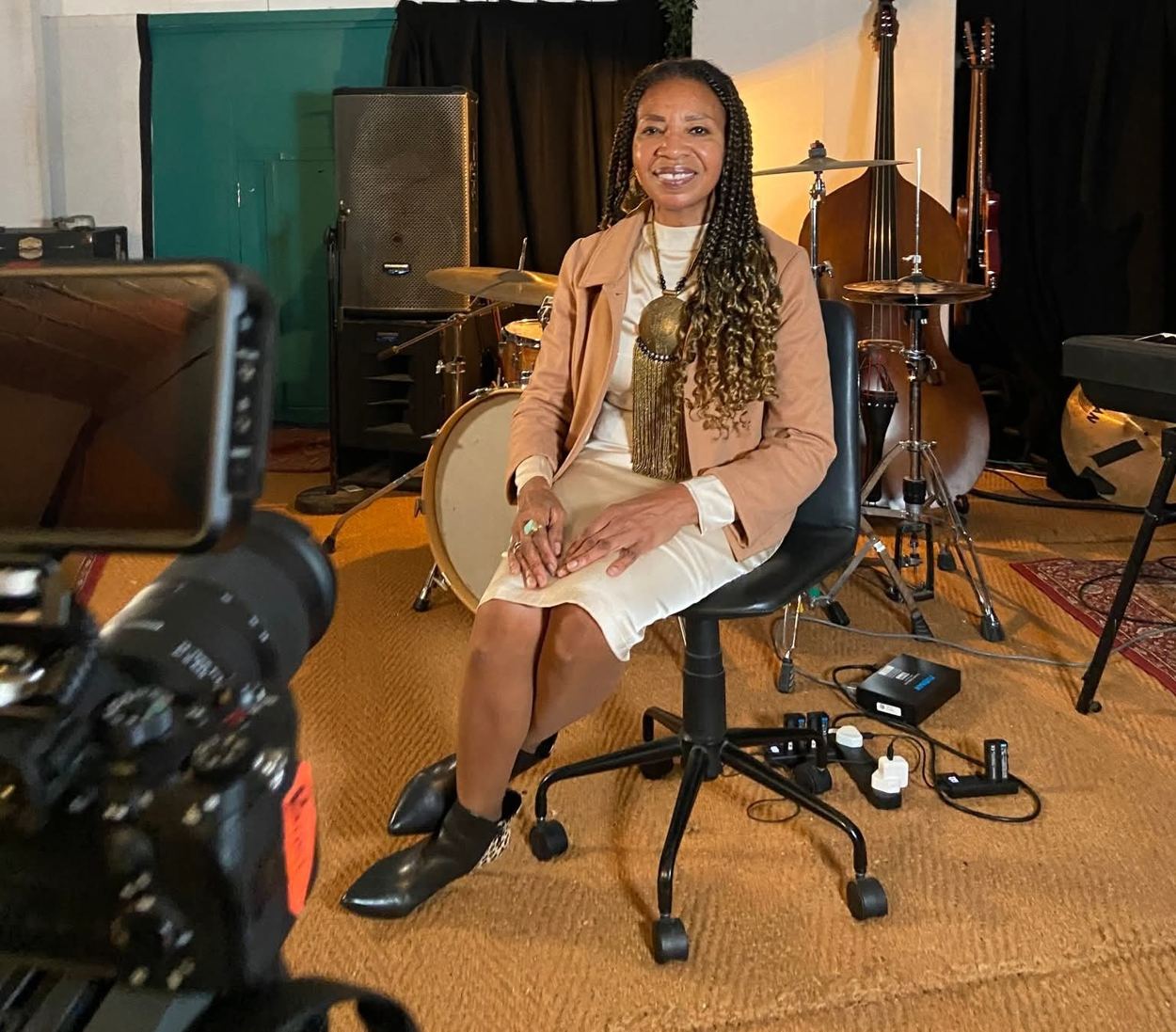
“One door may not open for you, but another door will crack open.”
A bestselling author on financial foundations, writing between shifts, the publishing industry, prison education and the grandmother whose name she carries.
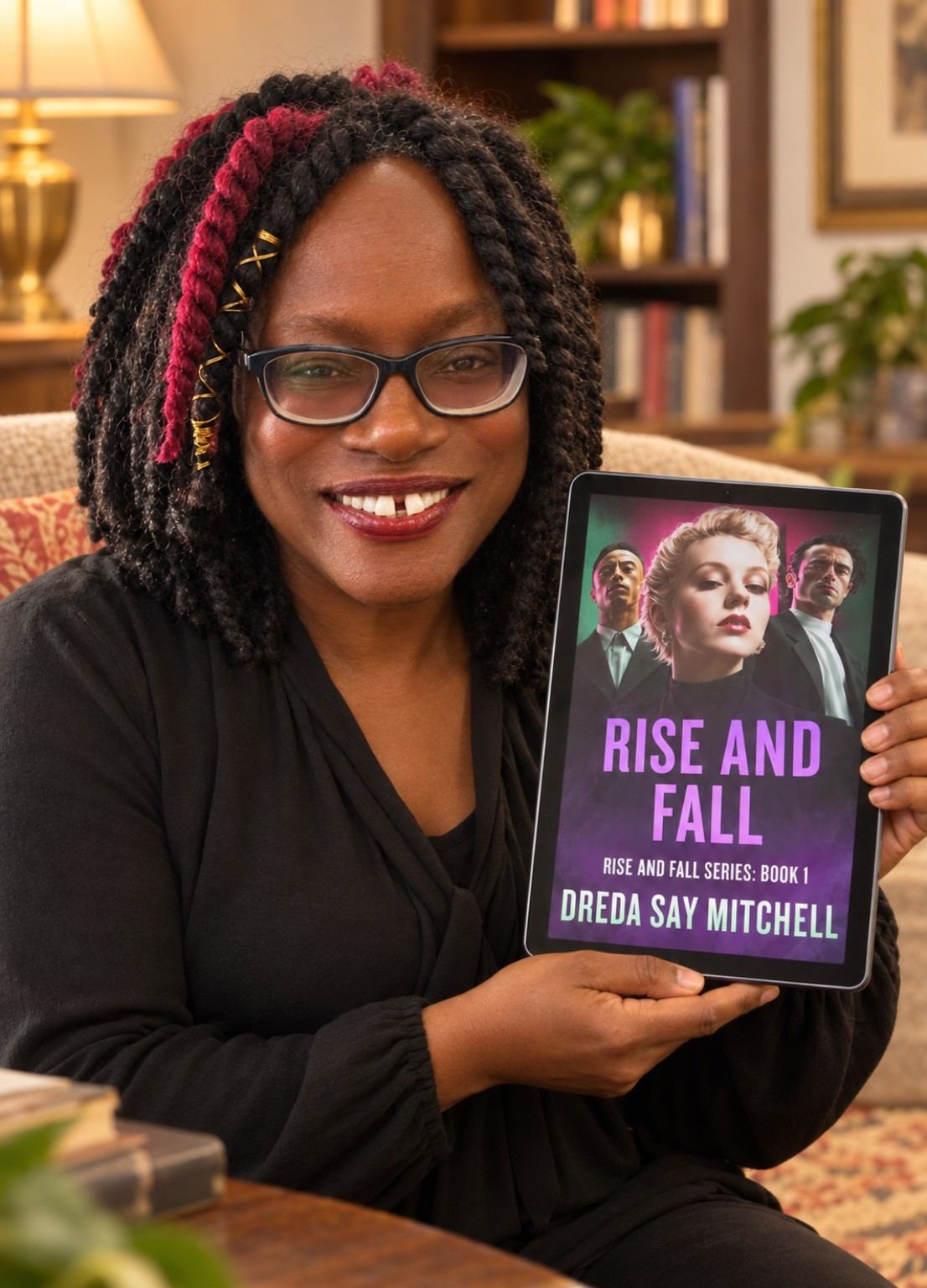
I think she'd pat me on the back wearing a big grin. Also congratulate me on my achievements by doing them the right way — via a sensible route. It's all good and well having dreams, but how are you going to pay the rent? For working class girls like me, it's important to have a secure financial foundation, which is why I became a teacher first. Only 10% or less of writers can sustain a living from it, so I came to writing with a solid financial foundation — so if it didn't work out, I could still live. Lucky for me, it eventually became a success.
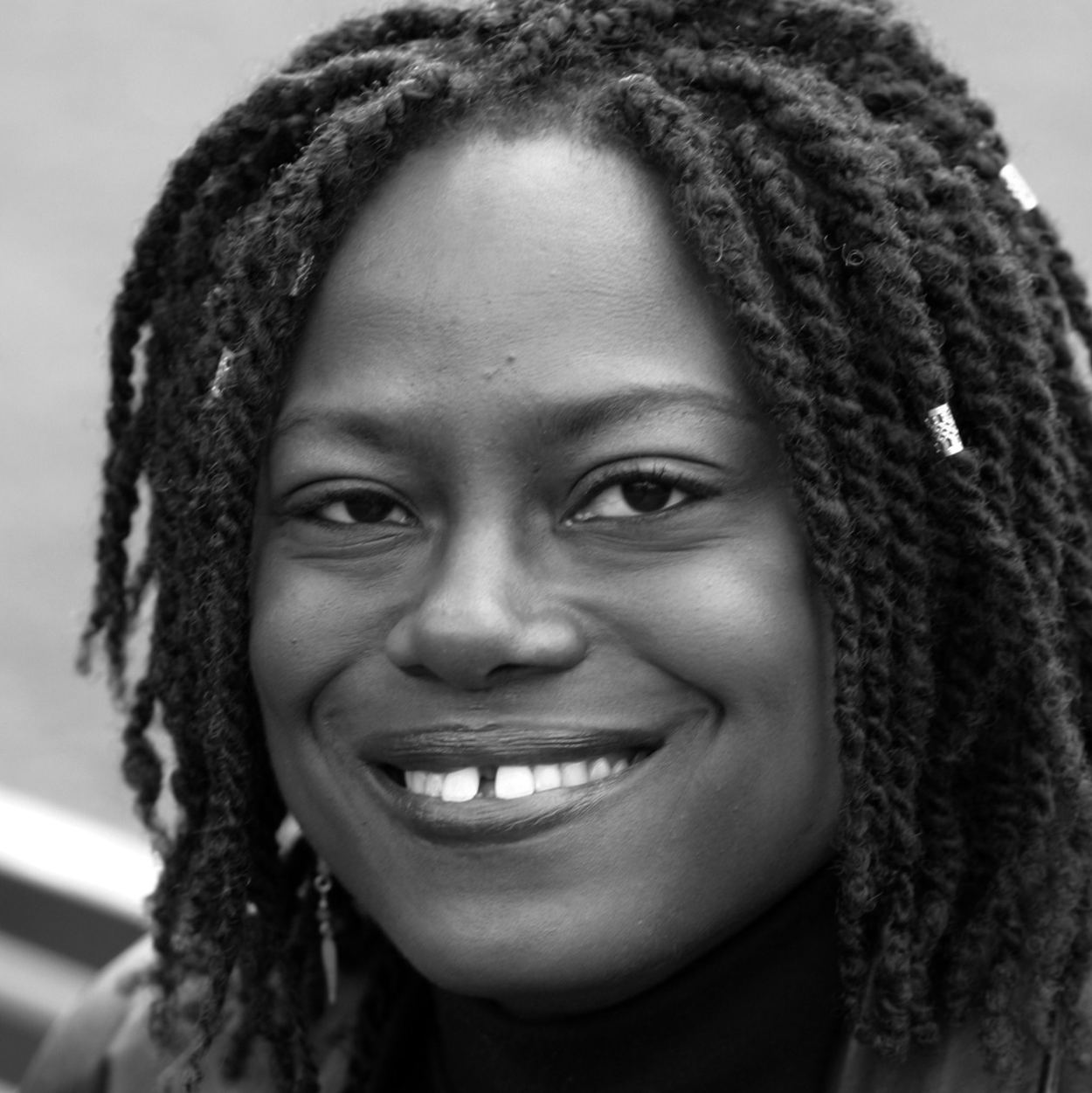
Truthfully, I'm not sure what the answer to this is, because I came to the crime writing community from a literary writing position. What I can say is that the story in my debut novel, Running Hot, was a very different and unique one to those usually found in British crime fiction. So much in life is about timing, and Running Hot came at the right time, when British crime fiction was becoming more receptive to different voices and different stories.
Work. If you want to achieve something in life you put your head down and you work. I met my first publisher through a creative writing course, and I asked her many years later why she chose me out of all the participants. One reason was, 'I knew you would finish.' So many people who start writing a book never finish. I come from a migrant background where a work ethic is important. When I was working in education, I would write on the train, the bus. If it is important to you, you will create time.
Lee Child — let me stop there a moment to appreciate the support I received from one of the biggest authors in the world. Without his support I wouldn't be where I am today. The publishing industry still suffers from sticking writers who are also black in a box — usually marked with the topics we're 'supposed' to write about: racism, oppression, police corruption. Writing must be a freeing experience. You'll notice I use the phrase 'writers who are also black,' not 'Black writer.' First and foremost I am a writer, who is many things — black, a woman, an East Ender, parents from Grenada, a person with big opinions.
I consciously chose my grandmother's name as a way of remembering all those hard-working women who get forgotten about once they pass on. They are often the backbone of our world and communities, so their memories should live on. Let's hear it for all those awesome, incredible women.
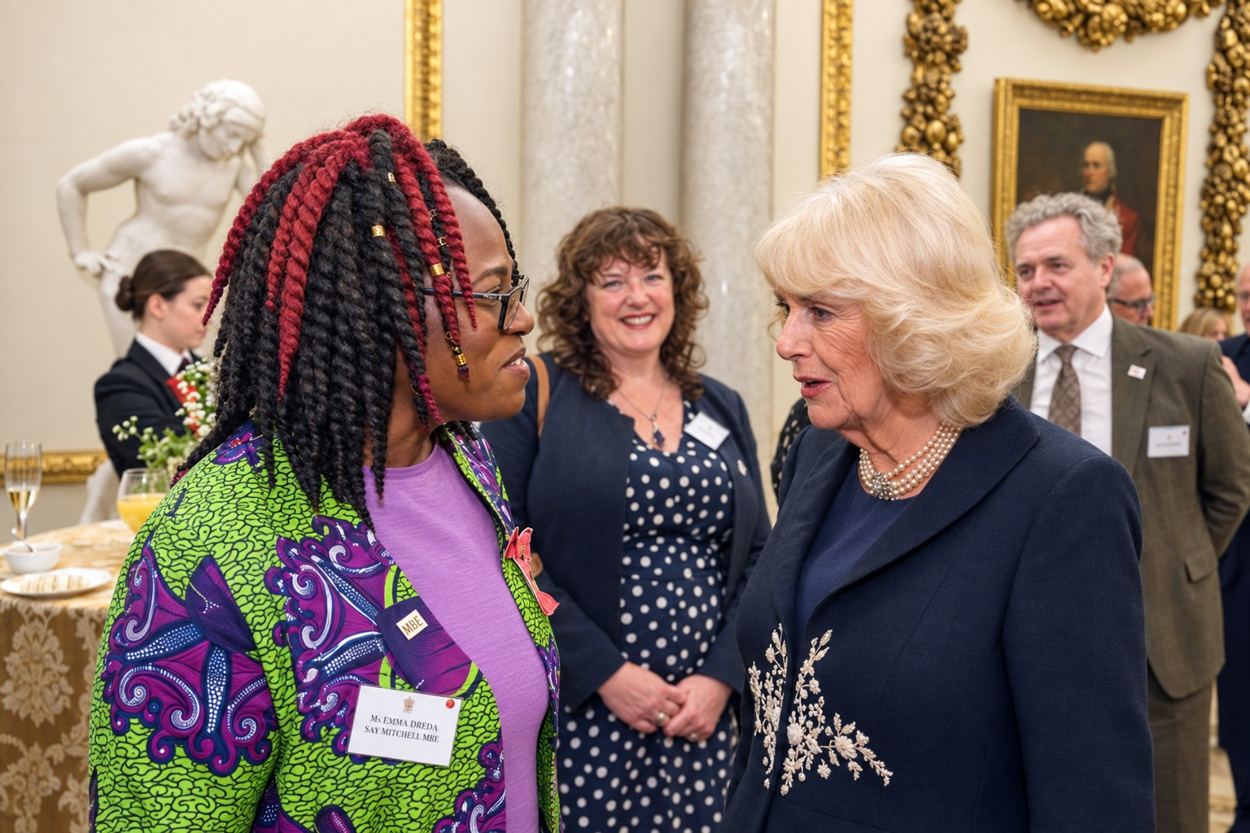
Growing up in the East End I noticed that many of the young lads I started out with ended up going the wrong way — not only black boys, but white working class boys too. Running Hot was about a young guy like this, with a difference: he was going to be a success. I was not going to write a book where the black man dies at the end. I did work in prisons to reach those boys and men — to help them see that, ok you've made a false move, but you still have your whole life ahead of you. This has to be coupled with giving them the tools of success: do they need classes to improve their reading? Have they got the skills for a career, not merely a job? Do they have a safe environment to live in?
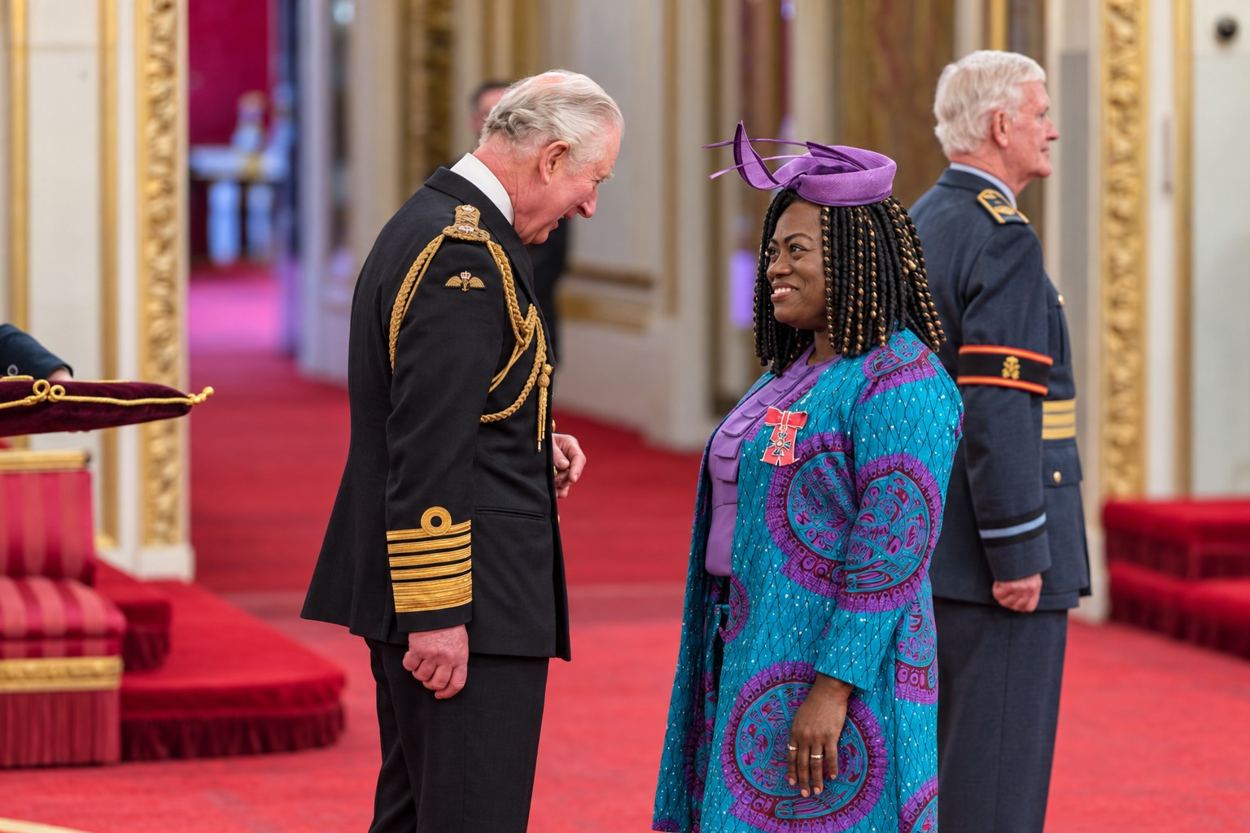
Girls fly high! Don't listen to anyone who uses the phrase 'you can't do.' Can't-do people need to be pushed to the side. My success didn't come overnight — be prepared to work hard, and be prepared to talk and listen with those who have come before you. Your community is people of success in the profession you want to work in, regardless of their colour and ethnicity.
Be yourself. Don't try to be anyone else. Your uniqueness is what will make you stand out from the crowd.
“Your uniqueness is what will make you stand out from the crowd.”
A beauty campaign
My journey. Our movement.
From East London to the Barbican, the Olympic stage and the GCSE classroom: a first-person account of building Boy Blue with Michael “Mikey J” Asante.

Boy Blue began in East London in 2001, when Mikey J and I joined forces to build something we wanted to see. He came to the work as a composer; I came to it as a choreographer. Those disciplines were never separate departments to us. The relationship between music and movement is the work. A beat changes what a dancer can say. A dancer can make you hear a piece of music differently.
We were part of a culture already alive with ideas, skills and stories. It did not need to be made respectable by somebody else before it could stand on a theatre stage. What it needed was room to develop, the discipline to keep raising our standards and opportunities for dancers to be taken seriously as artists. That is the work we began doing together.
Building a company means more than assembling people for one show. You have to create an environment where talent can be discovered, trained and challenged. The community around Boy Blue grew across generations and backgrounds. The company’s own description today counts seven regular groups, with people ranging from children to adults. That continuity is part of what I want the story of Boy Blue to mean. Each new dancer should be able to go further than the generation before.

Pied Piper: A Hip-Hop Dance Revolution changed the scale of what became possible for us. It began at Theatre Royal Stratford East, reached the Barbican and won the Olivier Award for Outstanding Achievement in an Affiliate Theatre in 2006. I am proud of that recognition, but an award is a marker along a journey, not the journey itself. The achievement was putting a work of hip-hop dance theatre before audiences who could see its craft, theatricality and ambition.
As Boy Blue grew, the Barbican became a lasting home. We became Associate Artists in 2009. A Night With Boy Blue brought different parts of our company and community onto the same stage, showing audiences the range of dancers we were developing. The people you see in those showcases are not an accessory to a famous production. They are part of the future of the form.
When people think of choreography, they may imagine a sequence of steps. What stays with me is the whole design of an experience: how movement changes in relation to music, how an individual stands apart from an ensemble, and how a group can make an idea visible. The Five & the Prophecy of Prana, Blak Whyte Gray, REDD and CYCLES have very different worlds and demands. Each has asked us to find a new answer while remaining recognisably Boy Blue.

London 2012 put our work in front of a global audience. I choreographed hundreds of young dancers for the “Frankie and June say thanks Tim” part of Danny Boyle’s Olympic Opening Ceremony. An Olympic stage is enormous, but the principle at the centre of the work was familiar: give dancers a shared purpose and enough precision to make the movement read at every scale.
For the young people involved, that was a moment on a world stage. It also made a point about who gets to be seen as part of Britain’s cultural story. Movement that had grown in communities and dance spaces could stand at the heart of a ceremony watched around the world. The visibility mattered, but it mattered most if it opened more doors after the lights went down.
We continued making work in many forms. Boy Blue co-directed the film R.E.B.E.L in 2018. Free Your Mind, created with Kenrick “H2O” Sandy, Mikey J Asante, Danny Boyle, Es Devlin and Sabrina Mahfouz, opened Aviva Studios in Manchester in 2023 with a live reimagining of The Matrix. That kind of undertaking asks a company to keep learning. There is no single size at which hip-hop dance theatre has to stop growing.
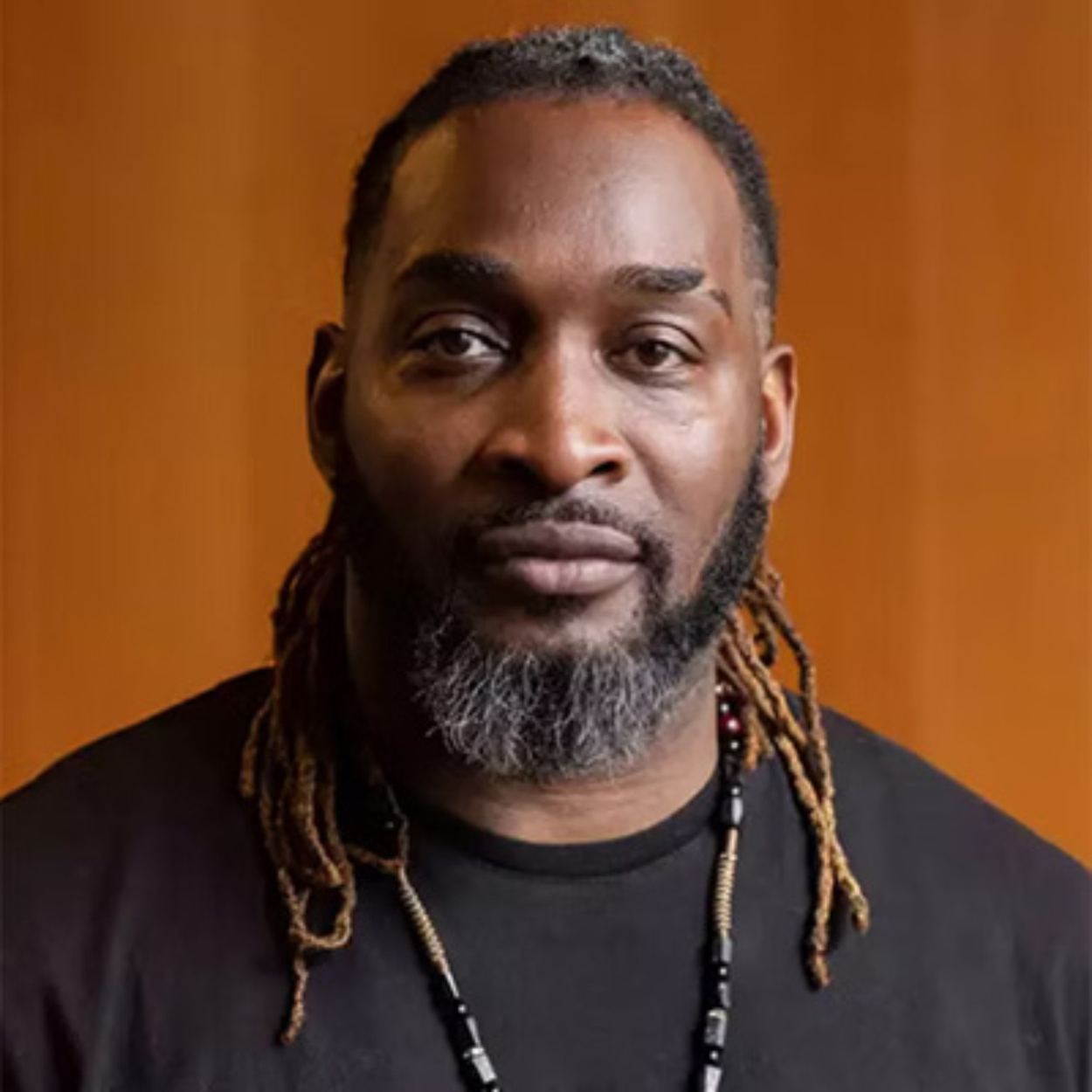
One of the most consequential places our work has reached is the school classroom. Emancipation of Expressionism became the first hip-hop dance theatre piece included as a set work on the AQA GCSE Dance syllabus. I choreographed it, Mikey J produced the music and Danny Boyle directed the filmed version. Students can now examine its movement, structure and intention as part of studying dance.
That is a different kind of recognition from an award ceremony. It tells a young person that the forms they may know from their own life belong in serious artistic study. They can analyse them, debate them, perform them and make something new from what they learn. Boy Blue has also produced educational materials for teachers and students, because putting a title on a syllabus is only the start. The learning has to be useful in the room.
Education has always been more than an extra programme for us. Boy Blue’s East London dance company runs on Sundays across much of the year and draws young dancers from beyond London. The path from first class to professional company is not automatic; it takes teaching, practice and belief sustained over time. When a young dancer sees someone further along that path, the future becomes easier to imagine.
I have had opportunities to work across theatre, television, film and public events, and I received an MBE for services to dance and the community in 2017. I value the recognition. But when I think about legacy, I think about what the next generation can make possible. Boy Blue’s work with the National Youth Dance Company on Gravity is one example of how the conversation continues beyond us.
There is still room for hip-hop dance theatre to surprise audiences and to challenge its own assumptions. There are still young artists whose work has not yet found a platform. The answer cannot simply be to point back to what Boy Blue achieved in 2006 or 2012. We have to keep building the conditions in which somebody else can go further.
What began with two artists working together in East London has become a company, a community and a body of work that travels between stages, screens and classrooms. Mikey J and I founded Boy Blue, but the story now belongs to everyone who has helped make it and everyone who will take it somewhere new.
14 October 1897 – 17 April 1944
The domestic worker and organiser who stood before a colonial court, defended herself and won.
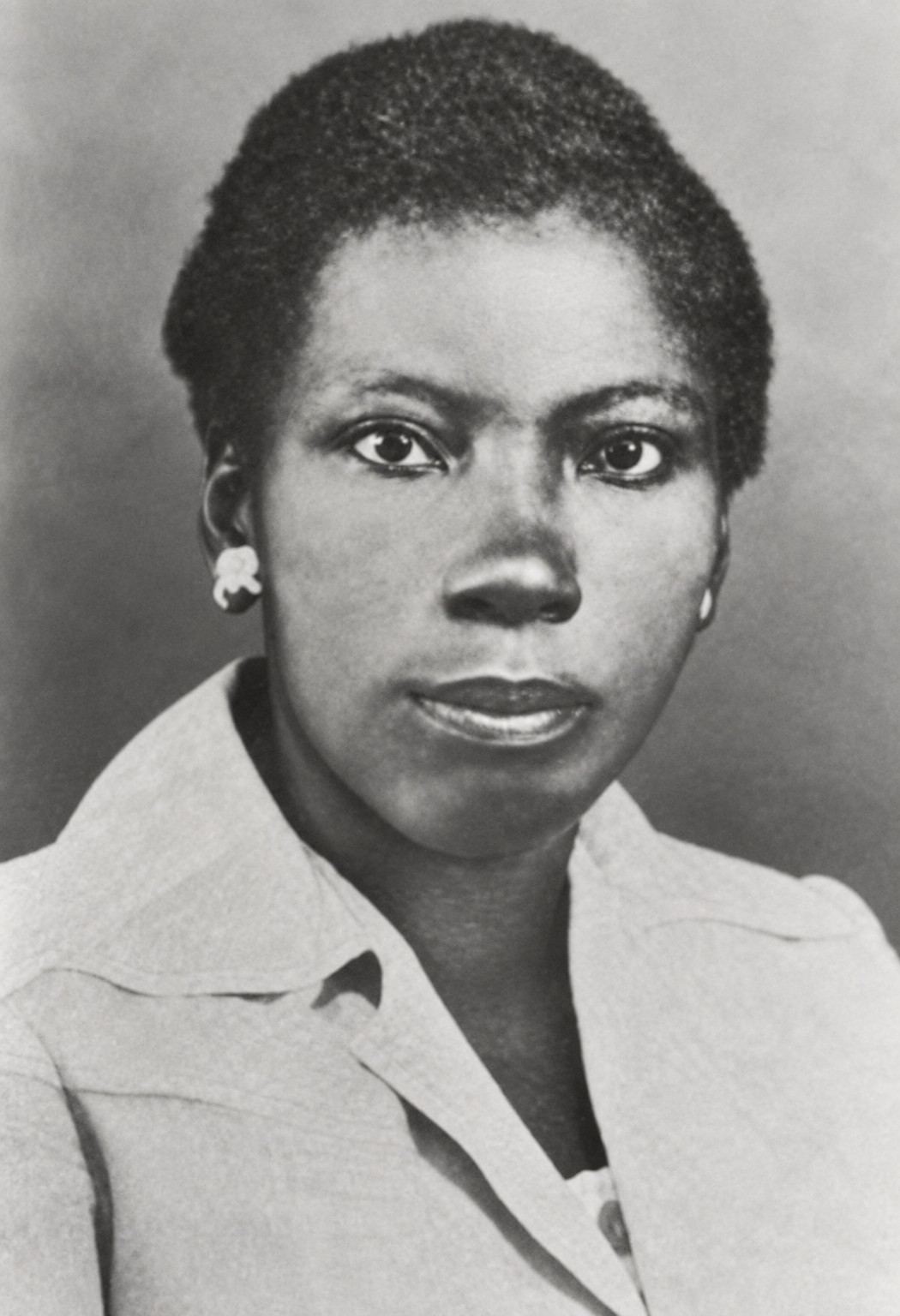
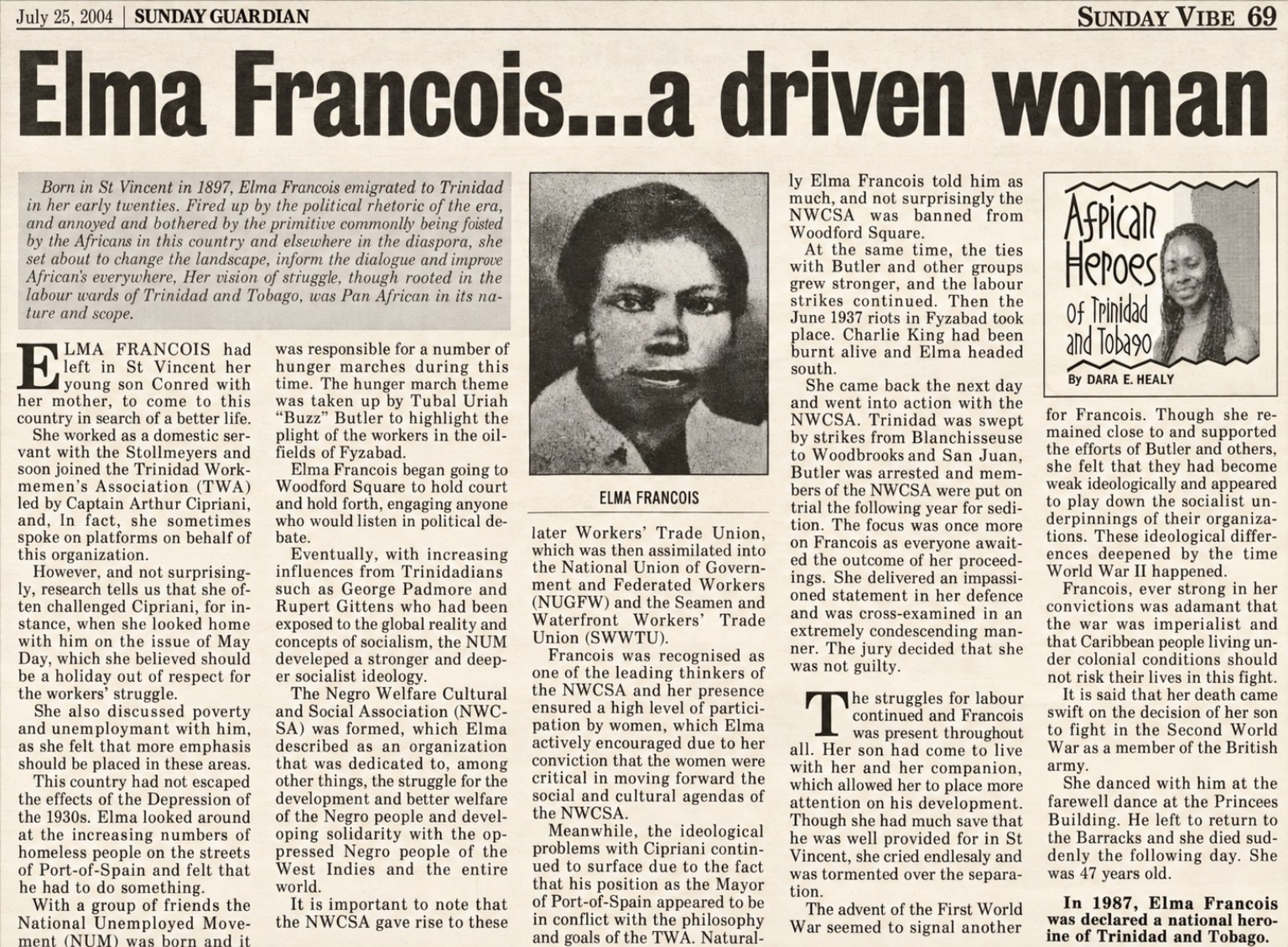
Elma François knew the cost of labour long before she became a leader. Born in St Vincent in 1897, she worked while young and later left for Trinidad, where domestic work sustained her. These experiences placed her close to the lives of people whose pay, food and security were never guaranteed. When she entered public life, she brought those realities into the centre of politics.
It is tempting to tell the history of Caribbean labour through a handful of men at microphones. François was building a movement too. She helped form the National Unemployed Movement and the Negro Welfare Cultural and Social Association, known as the NWCSA. Its organisation reached female coal workers on the docks and domestic servants: workers who could otherwise disappear from the official record of industrial struggle.
Unemployment, hunger and the price of essentials were not separate from the question of who held power in a British colony. François and her colleagues linked daily hardship to collective action. They organised people who had been excluded from influence and insisted that a demand for bread could be a demand for dignity as well.
The movement also looked beyond Trinidad. Opposition to Italy’s invasion of Ethiopia helped turn anticolonial solidarity into action among waterfront workers. For François, the fate of Black people elsewhere and the conditions of workers at home belonged to the same political conversation.
Labour unrest spread across Trinidad in 1937. François was arrested and charged with sedition, becoming the first woman in Trinidad and Tobago to face such a charge. The case put more than one person on trial: it tested whether a woman who spoke publicly for workers could be punished for the force of her organising.
François largely defended herself. She faced the colonial state in its own courtroom, explained her political work and was acquitted. That verdict is a remarkable part of the story, but the work that brought her there matters just as much. She had already helped workers find a voice, a structure and the confidence to act together.
François died in 1944. Her work did not end with her lifetime: Trinidad and Tobago later recognised her as a National Heroine. Remembering her properly means seeing the domestic worker, the strategist, the organiser and the woman who spoke for herself. She did not simply endure a famous trial. She helped change whose labour and whose political voice could be seen.
c. 1864 – 5 January 1943
The scientist who carried agricultural knowledge beyond the university and into the lives of Black farmers.
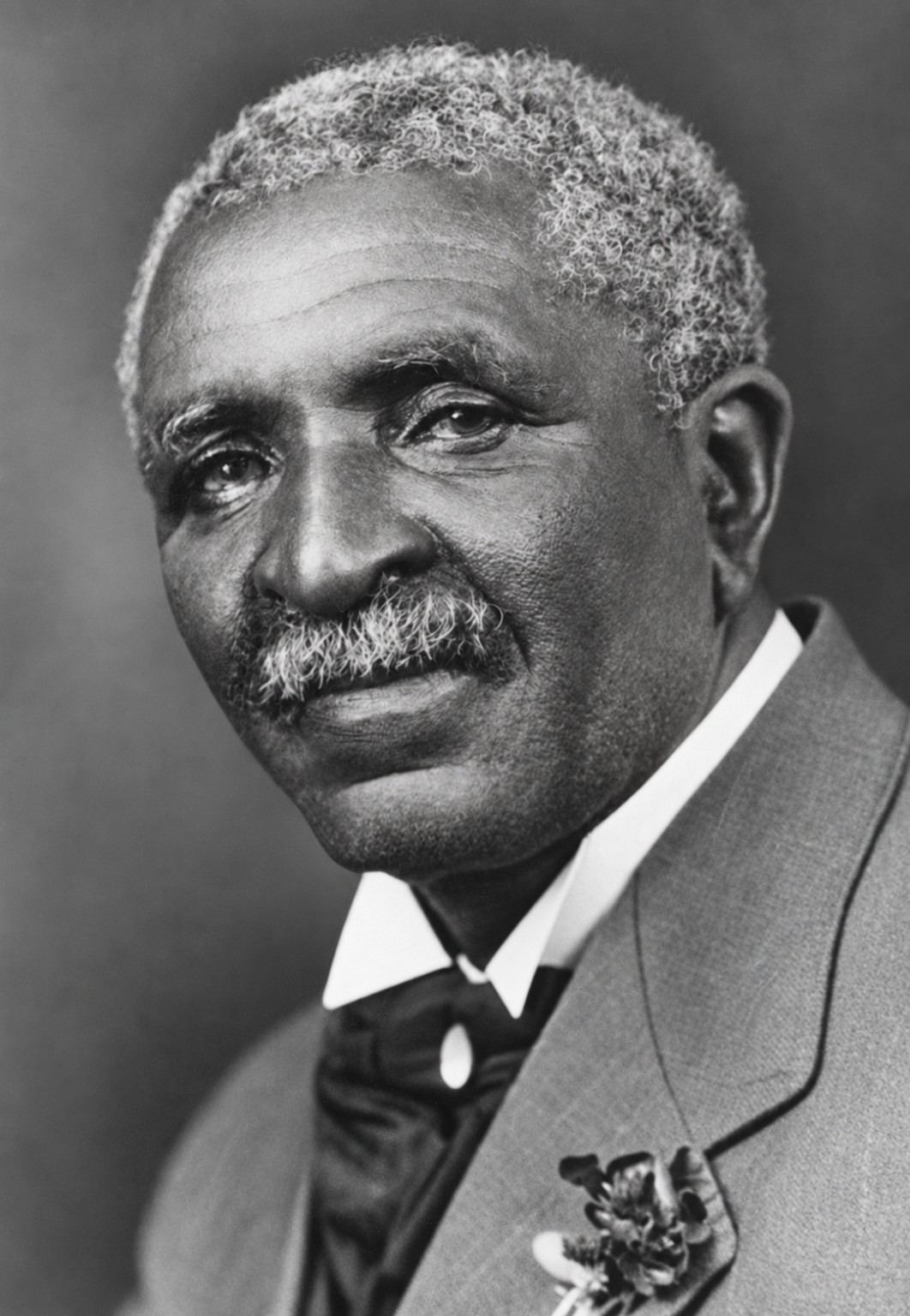
George Washington Carver was born enslaved in Missouri near the end of the American Civil War. His mother was taken from the farm when he was an infant and never found. The child who survived grew into a young man intent on learning, moving between towns and schools because education for Black children was restricted.
Racism shut one door decisively: a college withdrew his admission when it discovered he was Black. Carver continued. He homesteaded in Kansas, studied art and piano at Simpson College, and followed the encouragement of an art teacher who saw his close attention to plants. At Iowa State he became its first Black student, earning an advanced degree in agricultural science.
Booker T. Washington invited Carver to lead agriculture at Tuskegee Institute in Alabama in 1896. Carver would spend nearly five decades there. Many Southern farmers depended on cotton, a crop that could leave already strained soil less productive. Carver taught crop rotation and the cultivation of alternatives, including peanuts and sweet potatoes, as practical ways to restore land and improve a family's prospects.
His laboratory work found numerous applications for those crops. The familiar tale that reduces Carver to peanuts misses the central purpose: research was a way to address the economic vulnerability of Black farmers. An idea only helped if people with limited land and money could use it.
Hear Carver answer Glenn Clark’s question in this original interview recording.
Carver understood that many farmers could not come to Tuskegee. The Jesup Wagon, begun in 1906 as a movable school, brought teaching, demonstrations and supplies into rural communities. It carried lessons on agriculture, nutrition and household life to people who were otherwise excluded from campus learning.
The wagon shows how he understood science. He did not keep useful knowledge behind institutional walls. The work had to travel to the fields, homes and markets where its consequences could be measured.
Carver was also an artist and a teacher of generations of students. These were not distractions from his scientific work: observation, experimentation and imagination ran through all of it. He died in 1943 after a life spent asking what the land could provide and how its possibilities might serve people whom the wider economy had neglected.
The rural engineer helping Moroccan farmers replace costly fuel pumps with solar irrigation designed around their own farms.

Nidal Tafah comes from a farming family. Her parents left the countryside in search of a more secure life; both grandfathers remained on the land and died poor. Their experience shaped a question that stayed with her: how could the people who grow food be left without systems that work for them?
Across rural Morocco, many small farmers irrigate plots of less than a hectare with pumps powered by butane. Fuel expenses take money away from households already exposed to rising costs and water scarcity. A farmer may save water through better irrigation yet still face a heavy bill for the energy that runs it.
Trained as a rural engineer, Tafah returned to the field and co-founded MIRRIAH in 2020. The company develops solar-powered irrigation kits suited to a farm's size, crop and terrain. It begins with an on-site assessment, then installs equipment, trains users and stays involved. That service matters because buying hardware alone does not make a system usable over time.
Instead of demanding the full cost upfront, MIRRIAH uses a modular “pay as you grow” approach. Farmers start by replacing a fuel pump with a compact solar kit and can use money previously spent on fuel to pay in instalments. As their means grow, they can expand the system. MIRRIAH reports that its customers can reduce energy costs by up to 80% and water use by almost half; these are company-reported outcomes, not a guarantee for every farm.
The work extends beyond individual installations. MIRRIAH trains rural women and young people as technicians, creating local capacity to maintain the systems and new ways to earn a living. Its reported reach includes around 800 farming families and 30 women's cooperatives. Behind those numbers is a different picture of a green transition: the people most exposed to climate and cost pressures help shape and sustain it.
In 2026 Tafah was named a Cartier Women's Initiative fellow. Her story belongs in this issue because innovation has a human scale. A pump that costs less to run can change a family's choices; a technician trained locally can change what expertise looks like in a village. Tafah is working on both sides of that equation.
What happened in the unrest of 1937, what happened in court in 1938, and why the distinction matters.
When the history of Trinidad and Tobago’s labour movement is told through its most familiar male leaders, Elma François can appear at the edge of the frame. She belongs at the centre. A worker, organiser and powerful public speaker, François helped build the National Unemployed Movement and the Negro Welfare Cultural and Social Association. These groups connected unemployed people, domestic servants and workers on the docks to a collective struggle for better conditions.
The question for this page is precise: what do the documented accounts tell us about her sedition case? The answer is powerful without needing to turn it into legend. François was arrested amid the 1937 labour unrest, faced trial in 1938, conducted her own defence and was found not guilty.
The uprising began in 1937. As workers challenged colonial working and living conditions, the authorities arrested several organisers. François was among those charged with sedition. The trial belongs to the following year. A teaching resource from Trinidad and Tobago’s Ministry of Education records that she faced the charge in 1938, represented herself and was acquitted by the jury. The National Trust of Trinidad and Tobago places the case within the Sedition Trials of 1937–38 and identifies her as the first woman in the country to be tried for sedition.
These dates are easy to collapse into a single line. Keeping them distinct gives readers a clearer view of cause and consequence: collective action in 1937, a colonial prosecution, then François’s defence and acquittal in 1938.
A courtroom ending is compelling. It should not eclipse the years of organising that preceded it. François had already insisted that people who cleaned homes, moved coal or searched for work could speak as political actors. Her associations made practical links between everyday hardship and the colonial structures that sustained it. The trial was an attempt to answer that organising with a criminal charge.
Acquittal meant the charge failed. It did not mean the workers’ grievances vanished. Nor should we mistake a successful defence for proof that the wider system was fair. Her achievement was both public and sustained: she organised before the case and continued to matter to the movement beyond the verdict.
We can say that François played a leading role in the labour movement, became the first woman in Trinidad and Tobago tried for sedition, defended herself and was found not guilty. We should attribute that “first” to the National Trust’s historical account and make clear that the trial occurred in 1938. We have not reproduced a court transcript or original charge sheet here. The linked sources below let readers examine the published historical and educational accounts behind this page.
Its Caribbean history resource identifies François as an organiser and records the 1938 sedition charge, her self-representation and the jury’s not-guilty verdict.
Read the teaching resource ↗Its account sets her organising in the 1937 labour unrest, describes the Sedition Trials of 1937–38 and identifies her as the first woman in the country tried for sedition.
Read the historical account ↗Elma François died in 1944 and was later recognised as a National Heroine. The most faithful way to honour her is to keep her wider work visible: the people she organised, the conditions she confronted and the voice she refused to surrender.
Composer, cellist, singer and songwriter: an artist making room for every part of her musical inheritance.

Ayanna Witter-Johnson can make a cello carry a bass line, a rhythmic pulse and a sung story in the same performance. She is a cellist, composer, pianist, singer and songwriter whose work moves between classical music, reggae, jazz, soul and R&B. Those influences are not separate costumes she puts on for different audiences. They are part of the musical world in which she grew up.
Born and raised in North London to Jamaican parents, Witter-Johnson heard reggae, gospel and classical music at home. She studied at Trinity Laban Conservatoire and the Manhattan School of Music. Those institutions helped develop her craft, but the work she makes does not require her to leave the sound of home outside the concert hall.
Witter-Johnson won Amateur Night Live at Harlem’s Apollo Theater; according to her official biography, the prize money helped fund her first EP. That detail says something about how a career can be built: a performance became the means to record and release work on her own terms. Her debut album, Road Runner, appeared in 2019 on her independent Hill and Gully Records label.
Onstage, she sings as she plays. She plucks, bows and strikes the cello, drawing out different registers and textures while keeping the song at the centre. Her 2021 EP Rise Up brought together artists including Akala and Cleveland Watkiss in a celebration of Black culture and identity. The title describes more than a single release: it points to an artistic voice shaped by both musical command and a clear sense of where it comes from.

Her work has also reached major ensembles. Witter-Johnson has received commissions from the London Symphony Orchestra, Chineke! Orchestra, Kronos Quartet and others. The London Symphony Orchestra performed her FAIYA! in Trafalgar Square under Sir Simon Rattle. Her collaborative album Ocean Floor with the London Symphony Orchestra Percussion Ensemble draws on Jamaican heritage, percussion and orchestral writing.
In 2025 the BBC Scottish Symphony Orchestra premiered Bacchanale, co-commissioned for its 90th anniversary. The following year brought a German premiere. These milestones show one aspect of the story: institutions are making space for her compositions. The more interesting aspect is what she brings into that space. She allows ancestry, popular forms and classical training to speak together without having to justify why they belong together.
In this issue, Shirley J. Thompson describes the work of making and recovering musical history. Witter-Johnson’s path is her own; we are not presenting her as Shirley’s pupil or claiming a personal connection. Placed in the same magazine, their work lets readers hear a broader story about Black British composers: the sounds they inherited, the structures they have navigated and the original music they continue to make.
That is why “next” should not mean “waiting to arrive”. Witter-Johnson has already established a substantial body of work, across records, orchestras and live performance. The next chapter is what she is creating in the present, and the room her example opens for artists who follow.
An invitation to travel
Segun Akinwoleola and Victoria Omobuwajo saw possibilities in familiar places: a gym, a family kitchen and a supermarket aisle. Their routes into national retail reveal what building a food brand really asks of a founder.
 01 / SEGUN AKINWOLEOLAThe Gym KitchenEast London → the national ready-meal aisle
 02 / VICTORIA OMOBUWAJOSunmoHackney → a growing food and wellness brand
A supermarket shelf looks ordinary until you imagine trying to reach it. Every space on it represents a negotiation: with manufacturers, retailers, price, consistency, distribution and the customer’s split-second decision. For two Black founders with roots in East London, the journey began much closer to home. Segun Akinwoleola knew what he wanted to eat after training and could not find it among convenient ready meals. Victoria Omobuwajo began making plantain crisps in her family kitchen in Hackney, thinking about food that reflected her heritage and the people she wanted it to serve.
The two businesses are different in scale and shape. One has expanded across supermarket categories; the other began with a snack and has broadened into wellness products and a larger purpose around sourcing. What connects them is more useful than an easy “rags to riches” slogan: each founder identified a missing customer, made a product for that customer, and then faced the much harder problem of making the business survive beyond its first listing.
Segun describes growing up in an East London shaped by poverty and gang culture. The gym was a positive space for him and his friends. Fitness stayed with him into adulthood, but the ready-meal fixture did not seem designed for someone who wanted convenient food with a clear account of protein, calories and flavour. In 2016, that frustration became the idea behind The Gym Kitchen. His brief was specific: macro-counted meals, high in protein, lower in calories, and enjoyable enough to eat again. Read Segun’s account ↗
That specificity matters. “Healthy” can mean almost anything on a packet. By designing for everyday gym-goers, Segun gave the range a recognisable reason to exist. But knowing an audience is only a beginning. In an interview after the business reached major retailers, he called the initial Asda launch his most significant accomplishment to that point. It gave a young brand proof that a supermarket would make room for it. He also named Brexit, Covid-19 and inflation among the pressures faced since launch. That is a more honest measure of progress than the familiar photograph of a product on a shelf: a listing can create opportunity while supply, costs and the next order still have to work. Read the 2023 interview ↗
The Gym Kitchen now lists ranges at Asda, Tesco, Sainsbury’s, Co-op, Morrisons and Ocado, as well as Dunnes Stores in Ireland. Its range has moved beyond a single chilled meal into frozen and cupboard products. The important shift is from one answer to a customer problem to a brand capable of answering it in several parts of a store. The original test still applies to every expansion: does this make eating well easier for the person the business was made to serve? Explore the current range ↗
Victoria’s starting point was a Hackney family kitchen and plantain crisps. She came from a single-parent household, studied accounting and finance at Bayes Business School, and worked as a healthcare assistant while building Sunmo. University enterprise support helped her develop the idea; contacts made during an investment-bank placement helped her raise £100,000. After improving the product, she presented it at a trade show in 2019. Within a year, the crisps were stocked by Sainsbury’s, Whole Foods Market and Selfridges. Read her university profile ↗
Those facts sound effortless when compressed into a sentence. Victoria’s account of the same period is less comfortable. In her final year, she was studying, working a 40-hour week and running the growing business. She burned out and crashed her car. A publication interested in achievement has to make room for this part of the record. The lesson is not that exhaustion proves commitment. It is that commercial momentum can conceal a human cost, and that support, finance and a workable pace are part of building something that lasts.
Victoria won Gordon Ramsay’s Future Food Stars in 2022, bringing a reported £150,000 investment and a surge of attention. Sunmo subsequently expanded beyond its original crisps into drinks and other wellness products. In a 2025 profile, City St George’s reported a £1.5 million valuation for the business and a further £250,000 committed toward a larger funding goal. A valuation is an estimate of a company’s worth at a particular point, not Victoria’s personal fortune, cash in the bank or annual sales. The funding goal was an ambition, not money already raised. These distinctions make the achievement clearer, not smaller. Read the reported figures ↗
Her Nigerian heritage now shapes a wider question for the brand: where do ingredients come from and who benefits? In a 2025 essay, Victoria described efforts to source plantain from Nigerian growers, the security and market obstacles they face, and a model intended to pay farmers fairly and reduce waste. Those are the company’s stated aims; their eventual reach will have to be judged by what the supply chain delivers. The story has moved from a snack made in Hackney to a debate about the people and systems behind each pack. Read Victoria’s essay ↗
Segun’s first insight came from standing in front of an inadequate ready-meal display. Victoria’s came from her own experience of food, health, heritage and an underrepresented product. Neither required permission to notice a gap. Turning that observation into a business did require different kinds of help: product development, a route into retail, investment, relationships and the resilience to make the next decision after the first success.
There is no neat finish line here. The Gym Kitchen has to keep earning its place in several competitive categories. Sunmo’s move into wellness and purpose-led sourcing must match its promise with reliable products and measurable outcomes. Their achievements deserve celebration in the present tense, with enough detail to let readers see the labour as well as the headline.
This is an independently researched profile, not an interview with either founder. It draws on their published accounts, Victoria’s university profile and Segun’s published interview. Retail availability and company figures can change; the £1.5 million valuation and £250,000 commitment are figures reported in October 2025.
A moment of refreshment
Three questions from this issue. Each answer opens a path into the Archive.
The Golden Jubilee. Her work also reached the 2023 Coronation.
Explore BETA Archive ↗Her grandmother’s. It honours the women whose work can go unrecognised.
Read Dreda’s Archive profile ↗It is a set work in AQA’s GCSE Dance Anthology.
Explore BETA Archive ↗Explore more lives, discoveries and achievements across BETA Archive.
ENTER THE ARCHIVE ↗This magazine opens the door. The Archive holds a growing collection of lives, achievements and history to explore whenever you choose.
Explore profiles, search by name or subject, and follow the people and ideas that caught your attention in this issue.
EXPLORE BETAARCHIVE.ORG ↗Open betaarchive.org in Chrome. Tap the three-dot menu, then Install app or Add to Home screen / Create shortcut, as shown on your phone.
Open the site in Safari. Tap Share, choose Add to Home Screen, then tap Add.
Open the site in Edge. Select … → More tools → Apps → Install this site as an app. You can then pin it to your taskbar or create a desktop shortcut.
This creates quick access to the live website. It does not require a separate BETA app download.
We welcome carefully documented story suggestions, corrections, contributor enquiries and thoughtful commercial partnerships.
Tell us whose work deserves attention, share relevant source material, or flag a correction. Please include the person or article name and a way to contact you.
editorial@dimpublishing.com ↗We consider a small number of clearly labelled video campaigns that suit BETA’s audience and editorial purpose. Include your brand, campaign, video length and intended dates.
sponsorship@dimpublishing.com ↗Advertising is identified as such and does not determine editorial coverage.